

Take the first step toward recovery
Comprehensive Outpatient Addiction Treatment Centers in Maryland
Medication-assisted treatment, counseling and mental health care for opioid, alcohol and stimulant use, at 8 clinics across Maryland.
Same-Day Appointments Available
Evening & Saturday Hours
Medicaid, Medicare & Insurance Accepted

What We Treat
Outpatient treatment for substance use disorders, with care tailored to each person.


“MATClinics gave me the tools and support I needed to get my life back. The staff is caring, professional and always there when I need them.”
~ Jason T.
Actual MATClinics patient | 2026
How It Works
No referral needed. Reach out, meet your care team and begin a plan built around you.
1
Reach Out
Call or text our team 24/7. Many patients can be seen the same day.
2
Meet Your Team
Meet your clinical team at a clinic near you to discuss your options.
3
Start Treatment
Begin personalized treatment with medication, counseling and support.
Medication-Assisted Treatment
Outpatient treatment combining FDA-approved medications and personalized care to help you manage substance use disorders, reduce cravings and build a foundation for lasting recovery.
Learn About Medication-Assisted TreatmentMedications we offer
Additional Services
Behavioral health and recovery support that treats the whole person, from counseling and therapy to psychiatry and mobile treatment.
Substance Use Counseling
Guidance, support and practical tools to help you take the next step toward lasting change.
Mental Health Therapy
Trauma-informed, dual-diagnosis therapy for people struggling with their mental health and mood regulation.
Psychiatry
Psychiatric evaluation and medication management for mental health conditions that often occur alongside substance use.
Patient Support
24/7 access to a case manager you can turn to with questions and needs between your scheduled appointments.
8 Clinics Across Maryland
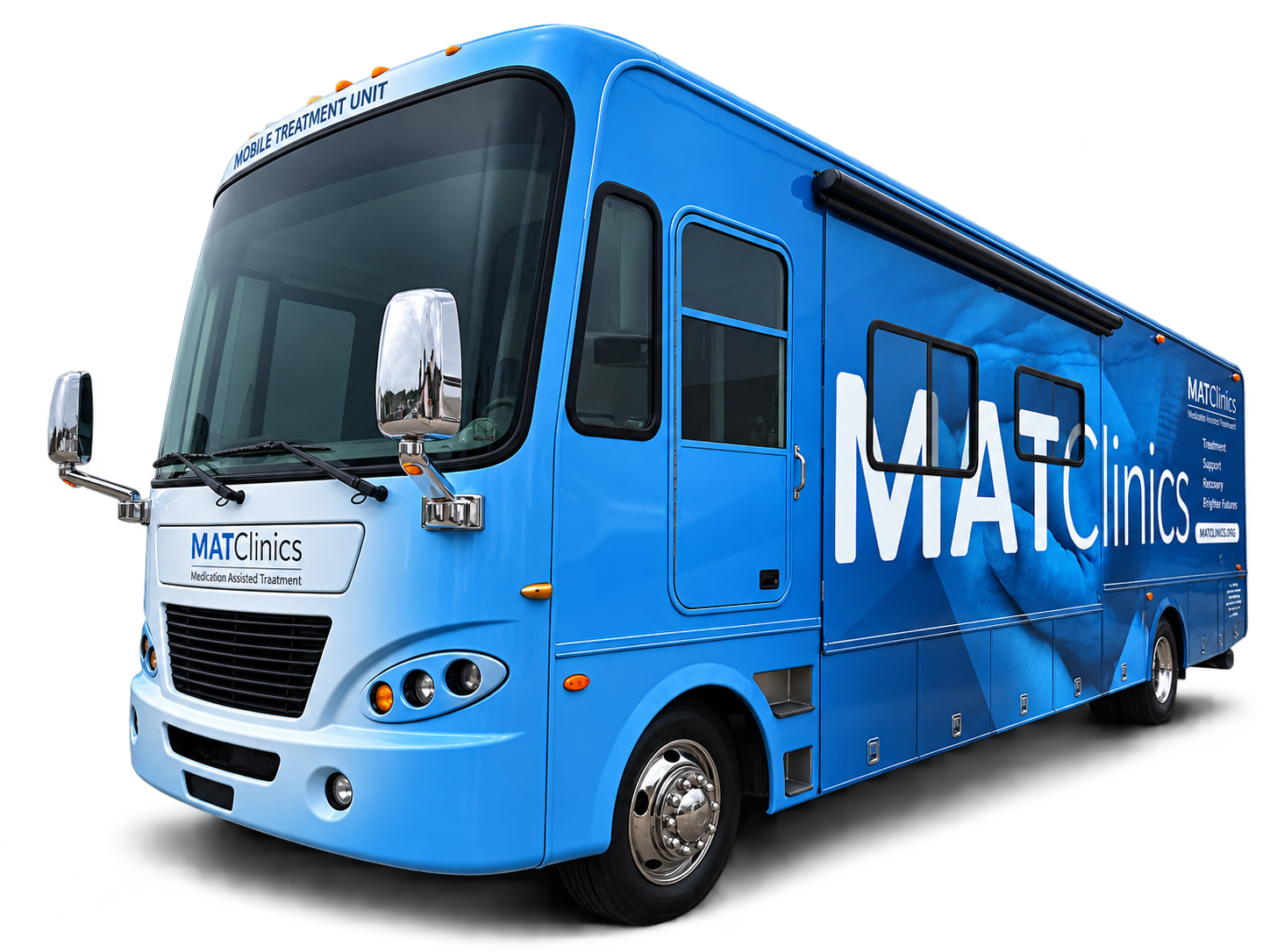
Visit a clinic near you, meet by telemedicine, or find our Mobile Treatment Unit in your community.
Annapolis
Dundalk
Hagerstown
Havre de Grace
Laurel
Salisbury
Towson
Westminster
Worried About Withdrawal?
For eligible patients, Direct-to-Inject treatment can often start within hours, even after recent use.
Start Sooner
Begin treatment without waiting through days of withdrawal.

Reduce Side Effects
Many patients find it tolerable, with mostly mild symptoms.
Clinically Guided
Your care team will decide if this approach is right for you.
What Sets Us Apart
Medical treatment and ongoing support from a team focused on making care easier to access, so getting help fits into your life instead of taking it over.
Personalized Treatment
Your plan is built around your needs, goals and progress.
24/7 Patient Support
Call or text our team anytime, including nights and holidays.
Flexible Scheduling
Evening and Saturday hours that fit around work and family.
Frequently Asked Questions
How Soon Can I Start Treatment?
Many patients can be seen the same day, and no referral is needed. Call or text our team 24/7 at 410-220-0720 to schedule your first visit. Evening and Saturday appointments are available at all 8 Maryland locations.
What Insurance Do You Accept?
MATClinics accepts Medicare Part B, CareFirst BlueCross BlueShield, CareFirst BlueChoice, and all Maryland Medicaid plans, including Aetna Better Health of Maryland, Jai Medical Systems, Kaiser Permanente, Maryland Physicians Care, MedStar Family Choice, Priority Partners, UnitedHealthcare Community Plan, Wellpoint, and CareFirst BlueCross BlueShield Community Health Plan Maryland. If we're not in-network with your plan, you can pay directly and receive detailed invoices to submit to your insurer for possible reimbursement. Our team can help verify your coverage before your first visit.
Insurance and CostsWhat Happens at My First Visit?
You'll meet with a provider at one of our clinics to review your history and discuss your treatment options. You don't need to know which treatment you want beforehand. Patients diagnosed with opioid use disorder can often begin treatment the same day, and you'll be assigned a case manager to help you get started and answer questions between appointments.
What Types of Substance Use Does MATClinics Treat?
MATClinics provides treatment for opioid use disorder, alcohol use disorder, and stimulant use disorder. Treatment is tailored to your needs and may include medication when appropriate, counseling, and ongoing support. Our team will work with you to determine the right approach for your situation.
What Medications Are Used to Treat Opioid Use Disorder?
Several FDA-approved medications are available, including buprenorphine (Suboxone®, Zubsolv®, Sublocade® and Brixadi®) and naltrexone (Vivitrol®). Each works a little differently, and your provider will talk with you about which option may be right for you as part of a plan that also includes counseling and ongoing support.
What Medications Are Used to Treat Alcohol Use Disorder?
Medications can help some people reduce alcohol cravings or support abstinence. There are multiple options depending on individual needs and medical history. Your provider can discuss appropriate treatment options as part of your recovery plan.
What Treatment Is Available for Stimulant Use Disorder?
Treatment for stimulant use disorder may include counseling, behavioral therapies, and ongoing recovery support. Although there are currently no FDA-approved medications specifically for stimulant use disorder, a provider can help you explore evidence-based treatment options tailored to your needs.
Do I Have to Go Through Withdrawal Before I Start Treatment?
Not necessarily. When starting treatment, patients generally need to reach an appropriate stage of withdrawal before the first dose to reduce the risk of precipitated withdrawal. For eligible patients, MATClinics' Direct-to-Inject option may allow treatment to begin sooner, sometimes within 0 to 12 hours of last use. Timing and symptoms vary, so your provider will determine the safest approach for you.
Is Medication-Assisted Treatment Just Replacing One Addiction With Another?
No. When prescribed and monitored by a healthcare professional, medications used to treat substance use disorders can help manage cravings and withdrawal symptoms and support recovery. Medications are used at therapeutic doses to stabilize opioid use disorder rather than produce the effects associated with uncontrolled opioid use. Treatment can help people maintain daily routines, work, and care for their families.
Will Treatment Work If I've Relapsed Before?
Yes. A previous relapse doesn't mean treatment can't work for you. Many people benefit from treatment that addresses cravings, withdrawal symptoms, and the underlying factors contributing to substance use. Your provider can help you develop a treatment plan based on your experiences, needs, and recovery goals.